
This article is an English translation of the original Japanese article based on firsthand experience.(この記事は日本語記事の翻訳です。)
You can read the original Japanese version here(オリジナル記事はこちらら読むことが可能です。):
日本語版はこちら
Watching a race at a circuit means spending a long day outdoors.
You might sit in direct sunlight for hours, get caught in a sudden downpour, or find yourself dealing with unexpected cold weather.
What you need to bring can vary quite a lot depending on the race category, your seat type, and the time of year.
This article brings everything together in one place — from a pre-race packing checklist to essential gear, useful extras, and seasonal or category-specific items.
Whether you’re going to a circuit for the first time or just want to review your preparation, use this as a practical, ready-to-use guide.
- Circuit Spectating Packing Checklist
- Core Gear Explained
- Seven Useful Extras That Make Race Day More Comfortable
- Useful Extra ①: Folding Cushion or Portable Seat Pad
- Useful Extra ②: Portable Charger (65W or Higher Recommended)
- Useful Extra ③: Waterproof Poncho or Rain Jacket
- Useful Extra ④: Sunglasses
- Useful Extra ⑤: Handheld Fan
- Useful Extra ⑥: Lightweight Foldable Backpack or Waist Bag
- Useful Extra ⑦: Portable Chair (Lightweight and Compact Type)
- What to Pack by Season
- Circuit-Specific Notes
- Prepare for the Conditions, Not Just the Event
- Related Links
Circuit Spectating Packing Checklist
To avoid realizing “I forgot something” on the day, this list is divided into checks before leaving home and before arriving at the circuit.
First, review the full list, then add or remove items based on your own spectating style.
If you are heading directly from home to the circuit, you can check both at the same time.
- Ticket (printed or ready on your phone)
- Portable charger (fully charged)
- Rain gear (a waterproof jacket is recommended rather than an umbrella)
- Hat or cap
- Earplugs or ear defenders
- Binoculars
- Camera (check the circuit’s photography rules in advance)
- Folding chair or seat cushion (depends on your seat type)
- Change of clothes and a towel
- Cash (some circuits have ATMs, but it’s safer to bring cash in advance)
- Sunscreen (you can buy it near the circuit, but bringing it in advance is recommended)
- Drinks (you can buy them at the circuit, but buying them on the way is recommended)
- Snacks or energy food (same as above — buying them on the way is recommended)
- Small trash bag (reusing a bag from a drink purchase works well)
Core Gear Explained
Rather than just listing what to bring, it helps to understand why each item matters.
If you understand the reasoning behind each item, you can avoid overpacking while still being properly prepared.
If you’re relatively new to circuit spectating, reading this section before you prepare should help you avoid common mistakes at the circuit.
Tickets and Entry
Whether your ticket is digital or paper, make sure you check it before you leave — not at the gate.
Entry gates can get very crowded, and if you struggle to load your ticket on your phone, it holds up everyone behind you.
Mobile signal at the circuit can be unreliable, so saving a screenshot or printing a backup copy is useful.
However, some events do not allow entry with screenshots, so make sure to check in advance.
(Tickets purchased through Mobility Station do not seem to prohibit screenshots in most cases, based on experience, but you should still verify for your event.)
Parking passes are usually sold separately.
Same-day parking may be available, but for Suzuka, Fuji, and Motegi, buying a parking pass in advance is strongly recommended.
Heat and Sun Protection
Grandstands often have very little shade, and you may be exposed to direct sunlight for many hours.
A hat, sunscreen, and a cooling towel are useful not only in summer, but also for events like the spring F1 Japanese Grand Prix or the autumn SUPER GT round at Motegi.
Suzuka in particular tends to have very strong sunlight, so proper sun protection is highly recommended.
Rain Preparation
Races are usually held even if it rains.
Umbrellas are not allowed in the grandstands because they block the view for people around you. Always use a raincoat or poncho instead.
One thing people often forget is waterproofing their bag and belongings.
Make sure you prepare for that as well.
Seven Useful Extras That Make Race Day More Comfortable
Once you have the basic gear sorted, these items can make your race day much more comfortable.
You don’t need to bring all of them — choose what fits your situation, seat type, and the weather conditions.
Useful Extra ①: Folding Cushion or Portable Seat Pad
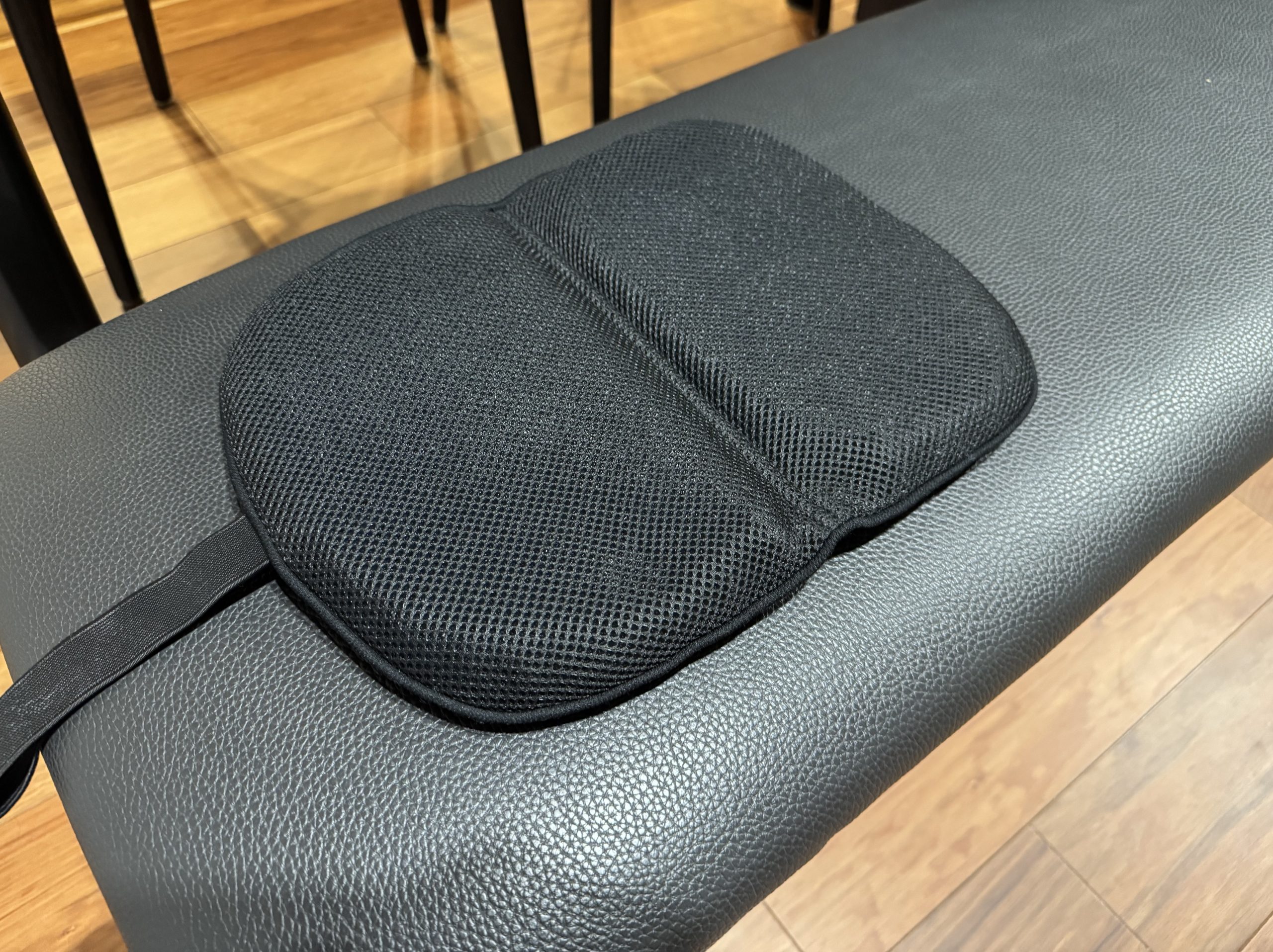
Useful extra: folding honeycomb cushion
Circuit seats are often quite hard, and sitting for several hours puts a lot of pressure on your lower body. A cushion makes a noticeable difference in comfort, especially on hard seats or when sitting on the ground.
Why It’s Worth Bringing
- Reduces pressure and makes long periods of sitting more comfortable
- Lightweight and compact, so it’s easy to carry
- Water-resistant materials are useful on rainy days or damp ground
Useful Extra ②: Portable Charger (65W or Higher Recommended)
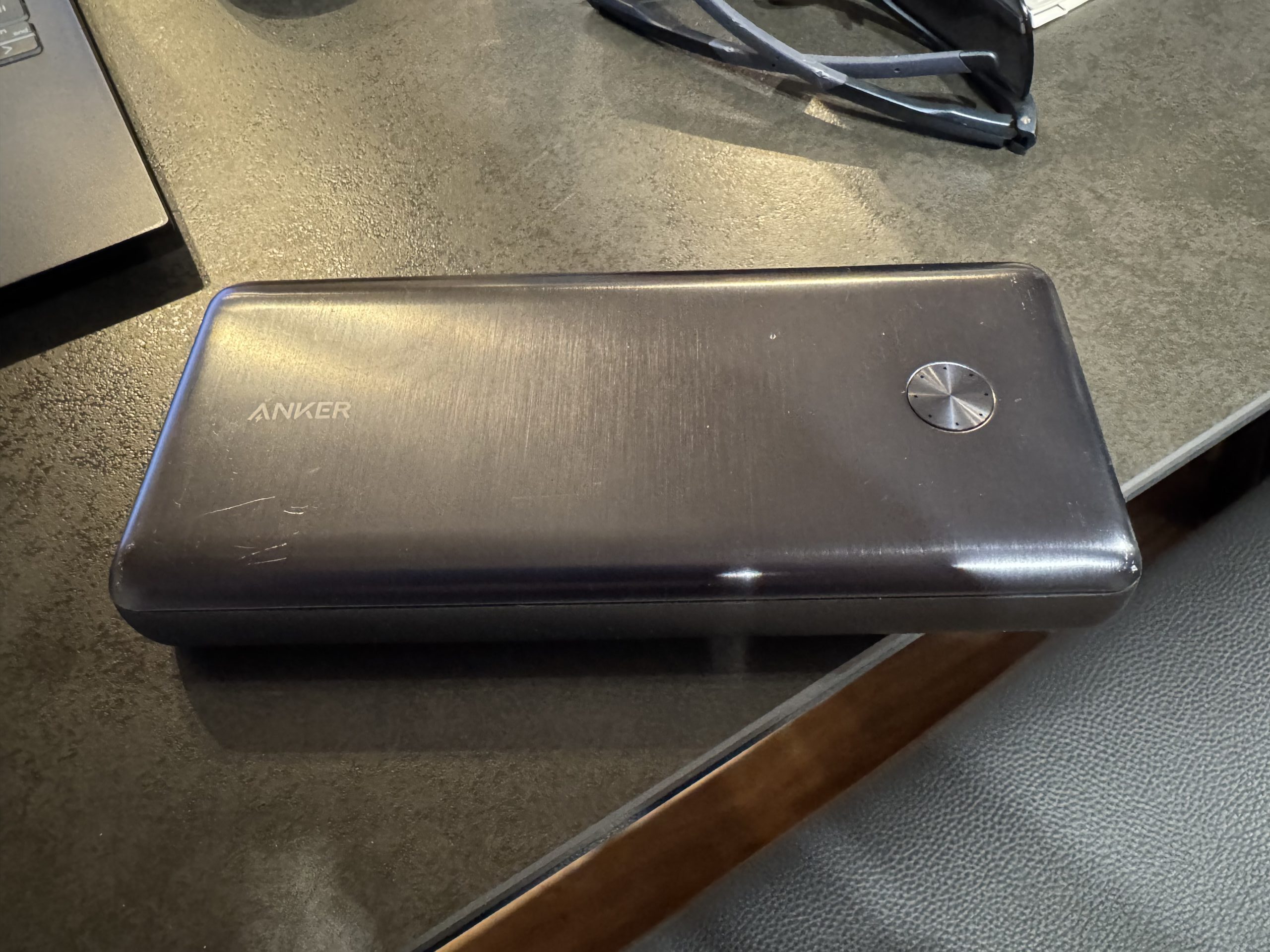
Useful extra: portable charger
Your phone gets heavy use at a circuit — photos, schedules, timing apps, maps — and running out of battery is something you want to avoid. A model with 65W or higher output can also charge a laptop, which makes it useful for travel as well.
Why It’s Worth Bringing
- Prevents your phone from running out of battery during the day
- 10,000mAh or more is usually enough for a full day
- 65W output allows you to charge a laptop as well
Useful Extra ③: Waterproof Poncho or Rain Jacket
Weather at circuits can change quickly, so it’s important to be prepared for sudden rain. In many seating areas, umbrellas are not allowed, so a waterproof poncho or rain jacket is a better option. Team-branded ponchos are also popular items.
Why It’s Worth Bringing
- Keeps you dry and comfortable during sudden rain
- Lightweight and compact, so it doesn’t take up much space in your bag
- A hooded type works well in windy conditions
Useful Extra ④: Sunglasses
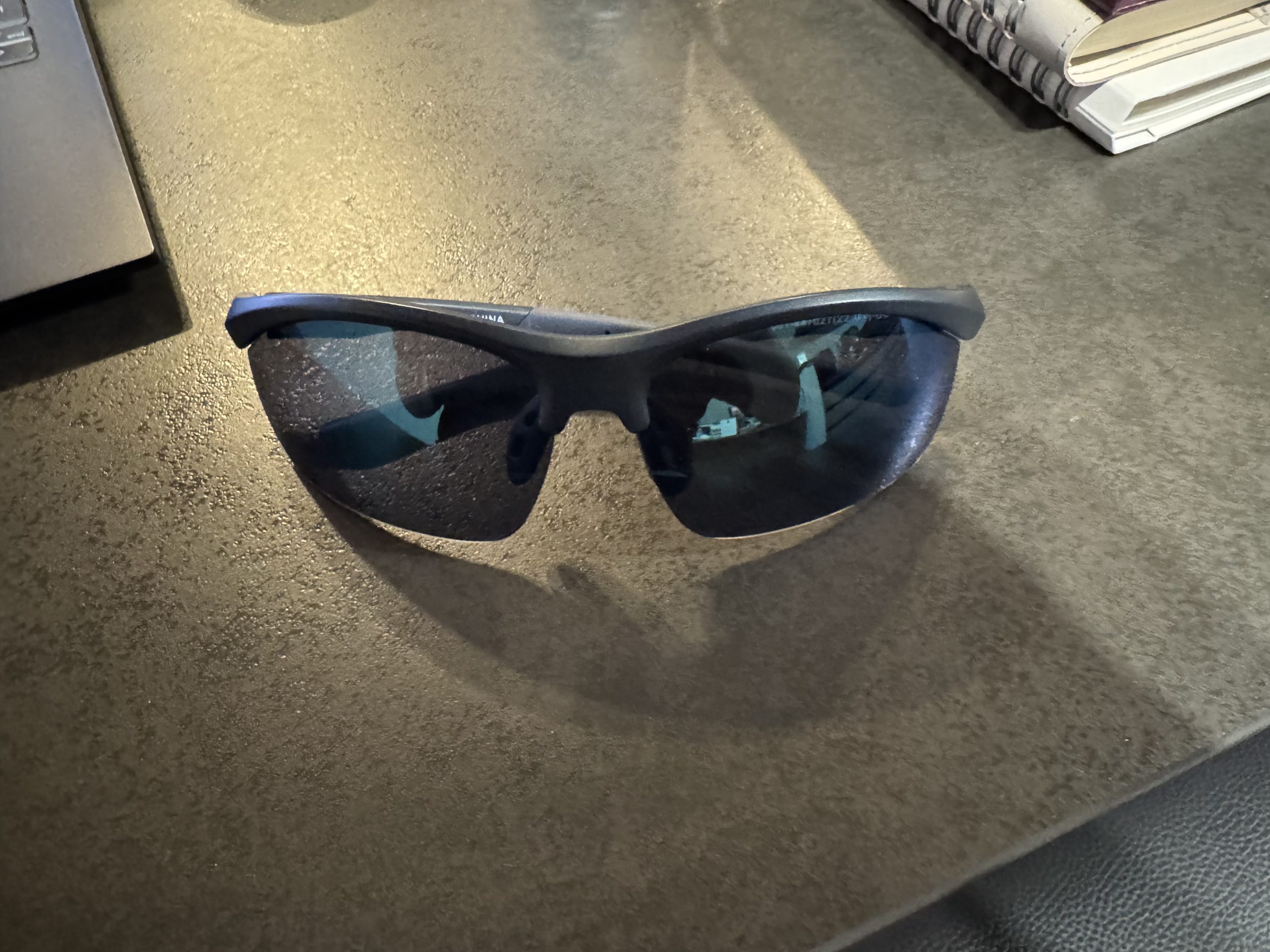
Useful extra: sunglasses
Many races such as F1 and GT take place during the day, and strong sunlight can cause eye fatigue. Polarised lenses reduce glare and make it easier to see the track for long periods. TKD personally uses a pair from Uniqlo.
Why It’s Worth Bringing
- Protects your eyes from strong sunlight and reflections from the track surface
- Polarised lenses reduce glare and eye fatigue
- Lightweight sports models are comfortable for long periods
Useful Extra ⑤: Handheld Fan
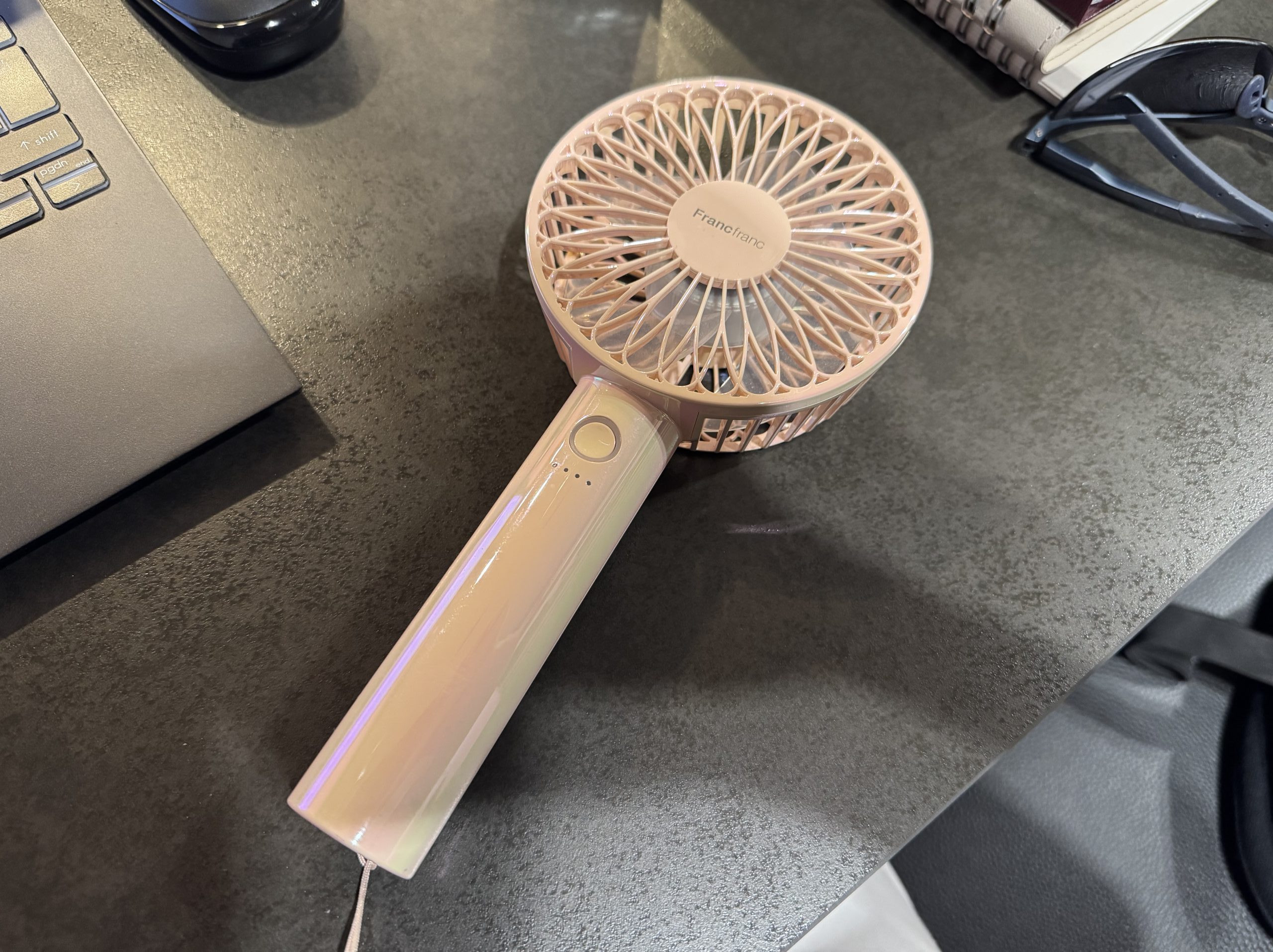
Useful extra: handheld fan
The race season runs from April to November, and races between May and September can be very hot. A hat and sunglasses help, but a handheld fan makes a big difference, especially in stands with little shade.
Why It’s Worth Bringing
- Provides quick cooling even in stands with little shade
- USB rechargeable models can be used with a portable charger
- Lightweight and compact models are easy to carry
Useful Extra ⑥: Lightweight Foldable Backpack or Waist Bag
You will often be carrying drinks, merchandise, and small items during the day, so having a compact and easy-to-carry bag helps a lot. Foldable backpacks or waist bags are especially convenient.
Why It’s Worth Bringing
- Keeps your belongings compact and easy to carry while moving around
- Easy-to-open bags are convenient for security checks at the entrance
- A waist bag keeps valuables close and easy to access
Useful Extra ⑦: Portable Chair (Lightweight and Compact Type)
A portable chair is very useful in unreserved seating areas or during long waiting times. Lightweight and compact folding chairs are especially popular for race spectators.
Why It’s Worth Bringing
- Lets you sit comfortably in unreserved areas or while waiting
- Lightweight and foldable, so it’s easy to carry
- Choosing a model rated for 100kg or more provides better stability
What to Pack by Season
The main race season runs from spring through autumn, and the priorities for what to bring change depending on the time of year. Adjust your preparation based on when you plan to attend.
Spring (F1 Japanese GP, SUPER GT Opening Round)
April has large temperature swings between daytime and morning/evening, and it can get surprisingly cold once the sun goes down, even on clear days. The Golden Week round at Fuji can also be colder than expected. Bringing both sun cream and a light outer layer covers most situations.
Spring also means hay fever season. Taking medication is important, but anti-pollen glasses and a mask can also make a big difference in comfort.
Summer (WEC, Suzuka 8 Hours, SUPER GT Fuji Summer Round, Suzuka 1000km)
June through September is the toughest part of the spectating season.
Circuits offer very little shade, and the combination of direct sun, high temperatures, and humidity makes heat management the top priority.
A hat, handheld fan, cooling towel, and oral rehydration drink are close to essential during this period rather than optional extras.
Autumn (MotoGP, SUPER GT Final Round)
October and November are generally comfortable for spectating, but temperatures can drop quickly after sunset.
The SUPER GT Grand Final at Motegi in particular gets cold from late afternoon onwards, so prepare for the temperature drop.
Packing a light down jacket or a windbreaker in your bag is a simple and effective precaution.
Winter
Winter races in Japan are rare, but not impossible. There are sometimes rescheduled races or manufacturer fan events during the colder months.
If you attend a winter event, focus on maximum cold protection: thermal base layers, a down jacket, hand warmers, and a hot drink in a flask are all very useful.
Tips from winter rugby spectating — another outdoor sport held in cold conditions — are also helpful:
👉Rugby Spectating in Tochigi | Why You Need 20% More Warmth Than You Think
Circuit-Specific Notes
Even with the same gear, the environment differs significantly from circuit to circuit. If it’s your first time visiting a track, understanding the local conditions in advance will help you prepare properly.
Suzuka Circuit
Sunlight is very strong, and some stands have almost no shade. Sun protection is necessary not only in summer but also during the spring F1 weekend.
In the West Course area in particular, there are fewer circuit screens, so a radio or tablet can make it easier to follow the race.
Fuji Speedway
Because of the higher elevation and frequent wind, wind protection may be necessary even in summer.
The SUPER GT round during Golden Week can be colder than expected in the morning and evening.
If you are planning to camp, proper cold-weather gear is essential.
Mobility Resort Motegi
Located in a mountainous area, temperatures drop earlier in spring and autumn, and it gets cold quickly after sunset.
The MotoGP Japanese Grand Prix is usually held in late September, so you may need both sun protection and cold-weather gear on the same day.
Prepare for the Conditions, Not Just the Event
The basic idea for circuit packing is simple: prepare the core gear first, then adjust for the season, race category, and circuit.
If you are visiting a circuit for the first time, checking the local environment in advance will make your preparation much more accurate.
Review the checklist in this article before you leave so you don’t end up wishing you had brought something on the day.
Related Links


コメント