
This article is an English translation of the original Japanese article based on firsthand experience.(この記事は日本語記事の翻訳です。)
You can read the original Japanese version here(オリジナル記事はこちらら読むことが可能です。):
日本語版はこちら
At Suzuka Circuit, preparation decides ninety percent of the experience.
That’s a conclusion TKD has reached — and reconfirmed — over more than 15 years of attending races there.
On my first visit, I had no real idea where to stay, the trains were far more crowded than I expected, and I ended up waiting more than two hours just to board.
My seat was good, but on the way home I remember thinking that another section might have been even better.
The racing itself was fantastic — which made me realize that my preparation hadn’t quite lived up to the experience.
Suzuka is a large, world-class venue and without question one of the best places in Japan to watch motorsport.
At the same time, it has a reputation for complicated access and accommodation that books out quickly, which makes it feel like the kind of circuit where “it’ll be fine” might not be good enough.
In reality, Suzuka is actually unusual among major circuits because it’s located within a city.
That means if you prepare properly, it really will be fine.
The key is understanding how Suzuka works — from the big picture down to the details.
This article walks through the entire Suzuka experience — from planning in the right order to navigating race day — as one connected guide.
Whether this is your first visit or you’re coming back again, think of this as the starting point for your Suzuka preparation.
If you’d like to understand circuit spectating in general — the basic flow and how to plan a race weekend — you may also find this guide helpful:
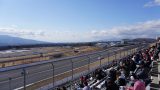
- At Suzuka, Preparation Decides Ninety Percent of the Experience
- Prepare for Suzuka in Four Steps
- At Suzuka, Seat Choice Matters More Than Just Getting a Ticket
- Decide Your Transport Early to Avoid Problems
- For Accommodation, Access Matters More Than Distance
- Plan Your Race Day Before You Arrive
- Suzuka Packing Checklist | Must-Haves, Useful Items, and Things to Leave Behind
- Preparation Depends on Which Race You’re Attending
- Preparation Decides Most of the Experience | Three Steps to Start With
- Spectating Guides for Other Major Japanese Circuits
At Suzuka, Preparation Decides Ninety Percent of the Experience
Why does preparation matter so much more at Suzuka than at other circuits?
First, let’s look at why preparation makes such a big difference here — and what actually happens when you arrive underprepared.
Why the Preparation Gap Becomes an Experience Gap
There are several racing circuits in Japan, but Suzuka is the one where the difference in preparation most directly becomes a difference in experience.
Many major Japanese circuits — such as Fuji Speedway and Mobility Resort Motegi — are located in mountainous or rural areas.
Because of that, transportation methods and accommodation options naturally narrow down to a limited number of choices.
Suzuka is different.
It sits next to an urban area, which means there are many options for transport and places to stay.
That flexibility is a big advantage — but it also means there are far more combinations of access, accommodation, and seating to think about.
If one part of the plan goes wrong, the rest of the plan can easily fall apart with it.
On top of that, major events at Suzuka — such as the F1 Japanese Grand Prix and the Suzuka 8 Hours — attract huge crowds from all over the country.
Hotels start filling up months in advance, and both road and rail access become extremely crowded during race weekends.
For these reasons, Suzuka is a circuit where preparation really does decide most of the experience.
What Actually Goes Wrong Without Preparation
Here are some of the common problems people run into:
- Leaving accommodation too late and finding that all nearby hotels are already fully booked
- Taking the train but not even being able to get onto the platform after the race, resulting in a wait of more than two hours
- Not properly researching the seating areas when buying tickets and ending up in a spot where the cars are hard to see
- Not checking the parking location in advance and having to walk more than 30 minutes to the circuit
All of these are problems that could have been avoided if you knew about them in advance.
In other words, with the right preparation, most of these issues can be prevented.
In this article, we’ll go through the key points step by step so you can plan your Suzuka trip properly.
Prepare for Suzuka in Four Steps
Preparation for Suzuka can be divided into four main phases.
If you understand this overall flow first, it becomes much easier to know what to do and when to do it.
- Securing a ticket
- Planning access
- Booking accommodation
- Planning your race day schedule
One important point is that these steps don’t always happen in this exact order.
The timing of ticket sales and hotel bookings often overlaps, and where you stay may determine how you get to the circuit.
Each phase looks separate, but in reality they are closely connected.
Another thing to keep in mind is the long lead time.
For popular events, it’s not unusual for things to start moving more than six months in advance — from ticket sales to the rush for accommodation.
By the time you think “maybe I should start planning,” the available options may already be limited.
In the following sections, we’ll go through each phase step by step.
At Suzuka, Seat Choice Matters More Than Just Getting a Ticket
Preparation for Suzuka starts with getting a ticket.
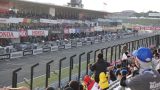
Suzuka has many permanent grandstands, so it’s not just about getting any ticket — which seat you choose has a direct impact on your experience.
Before buying, it’s a good idea to roughly understand the characteristics of each viewing area.
Ticket Basics and Timing
Tickets for major events at Suzuka are usually sold through the official website, Mobility Station.
For popular events such as the F1 Japanese Grand Prix, tickets start selling immediately after they go on sale, so make sure to check the announcement dates in advance.
Choose Your Viewing Area Using Three Key Factors
Suzuka has many types of seating, and the view, atmosphere, and price vary greatly depending on the area.
Choosing a seat simply because it’s cheap or available can lead to disappointment later.
It’s easier to think about seating using these three factors:
- Visibility: Whether you can see a wide section of the track or a specific corner
- Intensity: How close the cars are, the sound, and the sense of speed
- Atmosphere: The energy of the main grandstand versus the more relaxed areas like the S Curves
The main straight offers a wide view and a good look at events and ceremonies, but ticket prices are higher.
Turn 1 is popular for overtaking and close racing action.
The S Curves to the Hairpin area are good for people who want to watch the cars and driving technique up close.
For a more detailed comparison of each area and how to choose a seat, see the articles below.
If you don’t want to regret your seat choice, it’s a good idea to read these before buying your ticket.

Decide Your Transport Early to Avoid Problems
Once you have your ticket, the next thing to decide is how you will get to the circuit.
Whether you travel by train or by car affects where you can stay, what time you need to leave, and how much you can bring with you.
If you leave this decision too late, the rest of your planning can easily fall out of place.
Train or Car Will Shape Your Entire Plan
The most common ways to reach Suzuka Circuit are the shuttle bus from Kintetsu Shiroko Station or the walk from Suzuka Circuit Inou Station.
However, on event days, the Kintetsu Line and the Ise Railway are extremely crowded from early morning.
Large numbers of passengers arrive from the Nagoya direction, and it’s not unusual to wait a long time just to get onto the platform.
If you plan to drive, buying a parking pass in advance is almost essential.
There are several parking areas around the circuit, but many of them are unofficial private lots, which TKD does not recommend.
Neither option is always better — but if you are considering driving, you need to decide early so you can secure a parking pass.
If you are unsure, these guidelines may help:
- Large group or lots of luggage → driving is often easier
- No hotel stay or planning to drink alcohol → train is the better choice
- Staying in Nagoya or along the Kintetsu Line → train is often smoother
Plan to Arrive Earlier Than You Think
At Suzuka, if you aim to arrive at a specific time, you will probably be late.
Train congestion and shuttle bus queues often cause unexpected delays, so you need to build extra time into your schedule.
As a rough guide, plan to arrive 30 minutes to one hour earlier than your intended arrival time.
On race day especially, it’s very important to allow extra travel time in the morning.
Another option is to build a route using only things you can control.
For example, walking from Hiratamachi Station avoids dependence on train and shuttle bus congestion.
For detailed routes and typical congestion times, see the articles below:


For Accommodation, Access Matters More Than Distance
Once you decide how to get to the circuit, the next step is accommodation.
Where you stay has a big impact on how tired you feel the next day and how easy your travel will be.
It’s not simply a matter of staying as close as possible, so it’s worth thinking about this carefully.
Your Accommodation Choice Strongly Affects Comfort
Hotels around Suzuka start to fill up several months before major events.
During the F1 Japanese Grand Prix weekend in particular, it becomes difficult to find rooms not only in Suzuka City, but also in Tsu, Yokkaichi, and even Nagoya.
Here are the main areas to consider:
- Shiroko / Suzuka City: Close to the circuit and convenient, but expensive and heavily crowded after the race. It is also very difficult to find availability.
- Yokkaichi: Good balance overall and convenient if you are using trains. TKD’s recommended area.
- Nagoya: Many hotel options and stable prices, but travel time is longer, especially if you are driving.
If you are attending for multiple days, one option is to stay near Suzuka for the first night so you can enjoy the evening, then move to Nagoya on the final night to make the trip home easier.
However, changing hotels means moving luggage, which can be a disadvantage.
Notes for Day Trips
A day trip from Osaka is possible, but Suzuka is physically demanding and can be very tiring.
Events like the Suzuka 8 Hours in summer and the F1 race day are especially long and exhausting days, including the journey home.
For first-time visitors, staying at least one night within about one hour of Shiroko Station is strongly recommended.
For more details on accommodation and how to choose where to stay:


Plan Your Race Day Before You Arrive
Even if your preparation is complete, the day itself won’t run smoothly unless you plan ahead — this is Suzuka.
Having a clear picture of how the day will unfold makes a big difference to how much you enjoy the experience.
Here’s a model schedule for what race day typically looks like.
A Model Race Day Schedule
The following example assumes you are staying in Nagoya, travelling by train, and using the Shiroko Station route.
- 7:30 Depart from Kintetsu Nagoya Station. The platform is already crowded at this time.
- 8:30 Arrive at Shiroko Station. There is already a long queue for the shuttle bus.
- 9:00 Enter the circuit. By this time, the venue is already quite busy.
- 10:00 Support races and warm-up sessions. This is a good time to buy food and move around before it gets more crowded.
- 13:00 Race start. The atmosphere inside the circuit changes dramatically.
- 15:30 Race ends. You’ll need to decide whether to stay for the podium ceremony or leave early.
- 16:00 The exit rush begins. Bus stops and stations become extremely crowded.
- 18:00 onwards Crowds start to ease. Waiting for this time can make the trip back much easier.
This is just a model, but race day at Suzuka often follows a similar pattern.
Simply knowing that you need to start moving earlier than you expect will make the day much more comfortable.
Your Morning Arrival Sets the Tone for the Day
How you enter the circuit in the morning has a big impact on your overall fatigue for the day.
Entrance gates become crowded around opening time, and at F1 events there are also bag checks, which take additional time.
If you have a paper ticket, keeping it in a ticket holder around your neck makes entry much smoother.
Move Strategically During the Day
Part of what makes Suzuka special is that there is more to do than just watch the race.
Pit walks and grid walks often require advance registration or numbered tickets, so make sure to check the details beforehand.
For food, timing is important. It’s a good idea to buy food during quieter periods before the pre-race rush so you can relax and enjoy the moments leading up to the start.
Food options and recommendations are explained in more detail in this article:

What Makes Suzuka Special
The sound of an F1 or SUPER GT car passing right in front of you is something you simply cannot experience through a screen.
Especially in F1, it’s not just sound — you feel the vibration in the air.
Many first-time visitors react out loud without even realizing it.
The crowd, the heat, the unique atmosphere — even the difficulty of getting there and back — all of these are part of the Suzuka experience.
Delay Your Exit After the Race
As soon as the race ends, everyone starts moving at the same time, and exits, bus stops, and stations all become extremely crowded.
A realistic strategy is to stay for the podium ceremony and celebrations, then leave a bit later.
If you are driving, traffic leaving the parking areas can also take a long time, so make sure your return schedule has plenty of buffer time.
Suzuka Packing Checklist | Must-Haves, Useful Items, and Things to Leave Behind
You will spend the entire day outdoors at Suzuka, so what you bring with you matters more than you might expect.
Here’s a simple checklist divided into three categories.
Must-Have Items
- Ticket (paper or digital — make sure you have it before you leave)
- Drinks (you can buy them inside, but it’s safer to have some before entering)
- Sunscreen and a hat (especially important in summer)
- Comfortable walking shoes (you will walk more than you expect)
- Portable battery charger (your phone may not last the whole day)
Useful Items
- Earplugs or earmuffs (especially for F1 — the sound is louder than most people expect)
- Compact umbrella or rain poncho (the weather can change quickly)
- Binoculars (useful if your seat is far from the track)
- Seat cushion (grandstand seats can feel hard after a long day)
- Cash (some food stalls may not accept cards)
Things You Should Not Bring
- Large suitcases (they make moving around and storing luggage difficult)
- Too much food (check the circuit rules; trying the circuit food is part of the experience)
For a more detailed packing list and seasonal preparation tips, see this article:

Preparation Depends on Which Race You’re Attending
Suzuka hosts several major events each year — including the F1 Japanese Grand Prix, SUPER GT, and the Suzuka 8 Hours.
Even though they take place at the same circuit, the scale, atmosphere, and preparation required are quite different for each event.
F1 Japanese Grand Prix | The Event That Requires the Most Preparation
This is one of the largest motorsport events in Japan.
Tickets are highly competitive, accommodation fills up very early, and many international visitors attend, creating a level of crowd density and atmosphere that is very different from other events.
If your first visit to Suzuka is for the F1 weekend, it’s best to start preparing earlier than you would for other events.


SUPER GT at Suzuka | Recommended for First-Time Visitors
SUPER GT is less crowded than F1, which makes it possible to watch the race in a more relaxed atmosphere while still enjoying close and exciting racing.
With both GT500 and GT300 cars on track, there is action at many corners around the circuit.
For first-time visitors, SUPER GT is often easier to plan and is a very good introduction to Suzuka.
SUPER GT Suzuka Spectating Guide (Coming Soon)
Suzuka 8 Hours | Tough, but Worth Experiencing Once
For motorcycle racing in Japan, this is one of the biggest events, comparable in scale to MotoGP.
The crowds can be even larger than SUPER GT, and the extreme summer heat makes it a physically demanding event.
However, it’s a unique experience and worth attending at least once — even if you are not usually a motorcycle racing fan.

Preparation Decides Most of the Experience | Three Steps to Start With
To summarise the key points from this guide:
- Get your ticket: Understand the differences between seating areas and book early
- Decide your transport: Train or car — this determines where you stay and when you leave
- Book accommodation: Yokkaichi is a convenient area; if you’re unsure, it’s best to book early
If you complete these three steps, most of your Suzuka preparation is done.
After that, all that remains is to plan your race day schedule.
If this is your first time attending any circuit race, this article will help you understand the overall process:
👉 Getting Started with Circuit Spectating | How to Choose a Race and Plan Your Trip
The articles below provide more detailed explanations of each topic.
Reading them before the event will make the entire experience much smoother:
- 👉 Suzuka Circuit Viewing Area Guide
- 👉 Suzuka Circuit Access Guide
- 👉 Suzuka Circuit Accommodation Guide
- 👉 Circuit Spectating Packing List | Essentials and Useful Items
- 👉 Suzuka Circuit Food Guide | What to Eat and When
Spectating Guides for Other Major Japanese Circuits
You can find spectating guides for other major Japanese circuits below.
Mobility Resort Motegi

(Coming Soon) Fuji Speedway
The Fuji Speedway spectating guide is scheduled for publication in April 2026.
Okayama International Circuit

(Coming Soon) Sportsland SUGO
The Sportsland SUGO spectating guide is scheduled for publication in June 2026.
コメント